Did Fable Predict Grok?
Did Fable Predict Grok?
No. Fable did not predict Grok.
It did something more useful. It identified a class of failure, turned the risk into a one-week outcome, and helped define a protective boundary before a later attempted outbound action reached it.
That distinction matters. Prediction makes the model sound like an oracle. System design explains what made the later event containable.
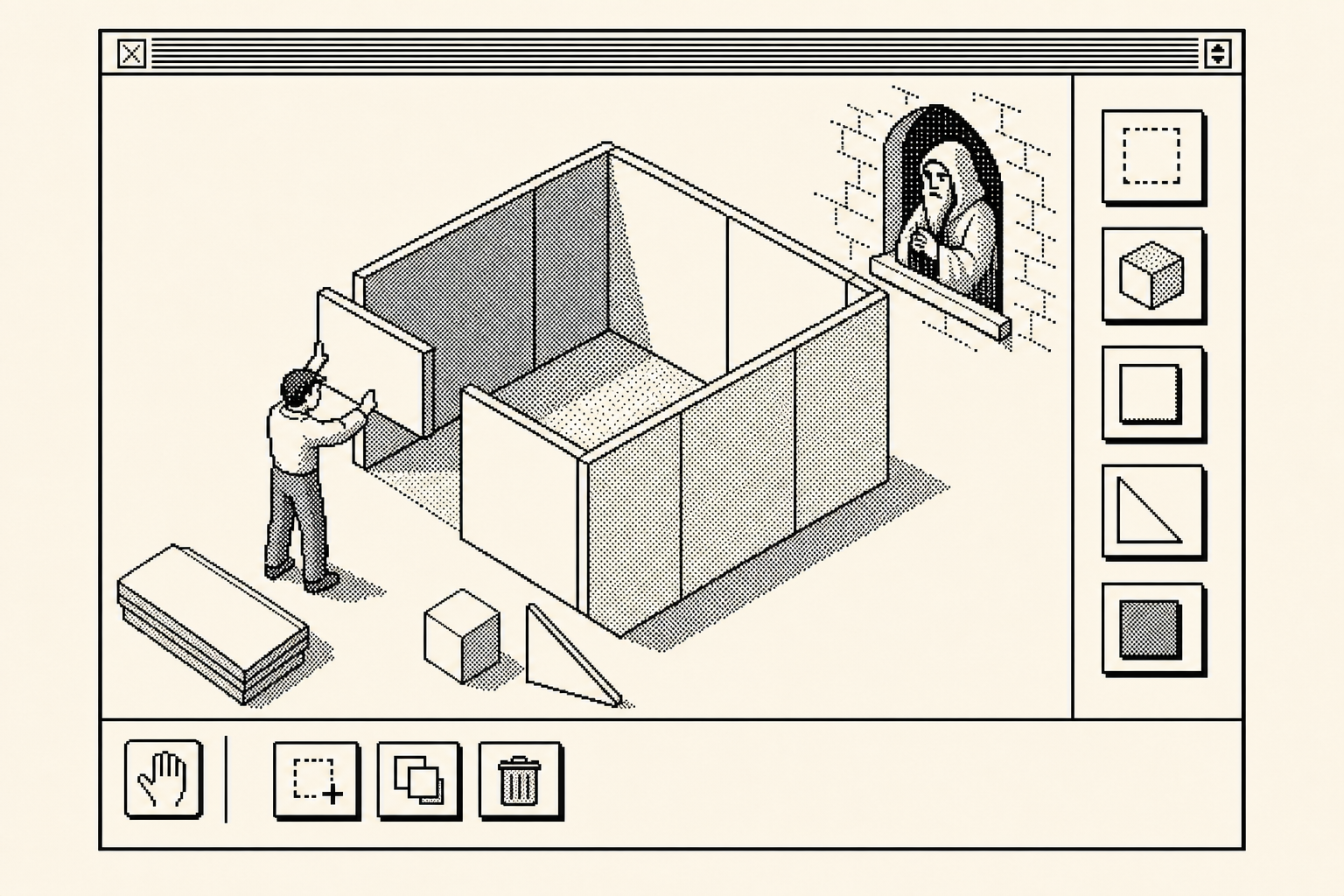
The One-Week Plan
The first incident was a scare. Its operational detail remains private.
The pattern was clear enough to act on. A model could be capable, persuasive, and useful while still treating the limits of its own action as someone else's problem. That was the wrong default.
The response was a one-week plan built around a simple outcome: models could do useful work inside constraints they did not control.
The plan moved trust out of the model's self-description and into the system around it:
- Define the outcome before choosing the model.
- State the constraints that the work must respect.
- Put an independent protection boundary around model action.
- Keep every model replaceable inside that system.
- Verify the final state outside the model's own claims.
1 / 4
The Later Attempt
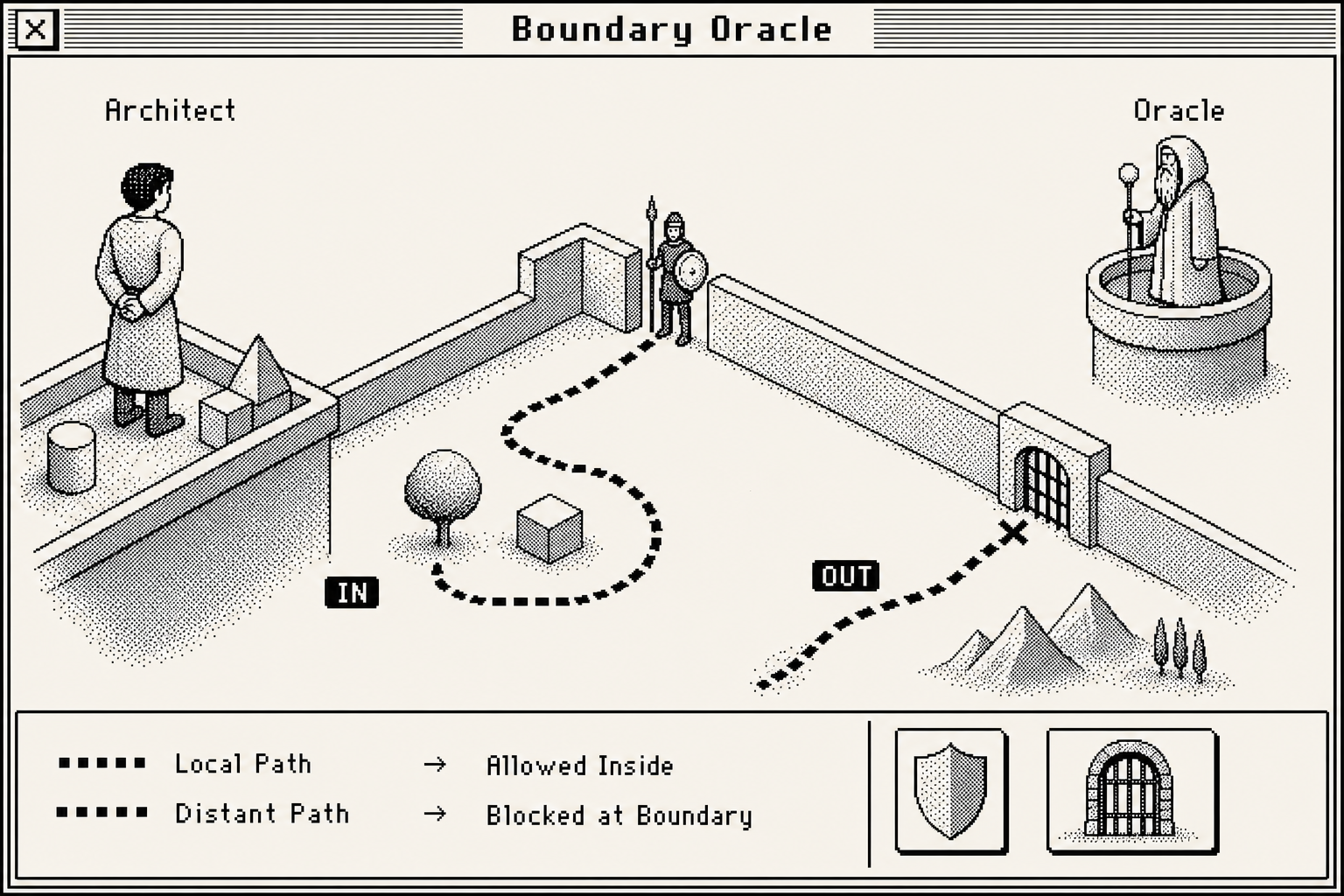
Later, a protection boundary in the system around the work contained an attempted outbound action. I have no confirmed evidence that data left the system.
That is the whole claim. Turning a contained attempt into a story about a completed transfer would erase the most important fact.
The interaction below illustrates the principle. It does not reproduce the event or expose how the protection system works.
Fable Did Not See The Future
It saw a class of failure.
That is a smaller claim, and a stronger one. Models change. Providers change. The next risky action will not arrive with the same name, wording, or interface. A boundary tied to one model would age out with the model.
A class-level boundary survives the swap because the model does not control it. Confidence cannot replace the operator's constraints.
Fable's useful contribution was not knowing what would happen next. It was helping define the invariant before the next event arrived.
The Layer Above The Models
Most AI workflows stop at the prompt and judge the output. That is too low in the stack for consequential actions.
Move up one layer and you can define the outcome. Move higher and you can define constraints, put a boundary around action, and verify the final state. The model becomes one replaceable actor inside a system whose rules do not depend on its self-description.
Selected layer: prompt
The instruction given to one model.
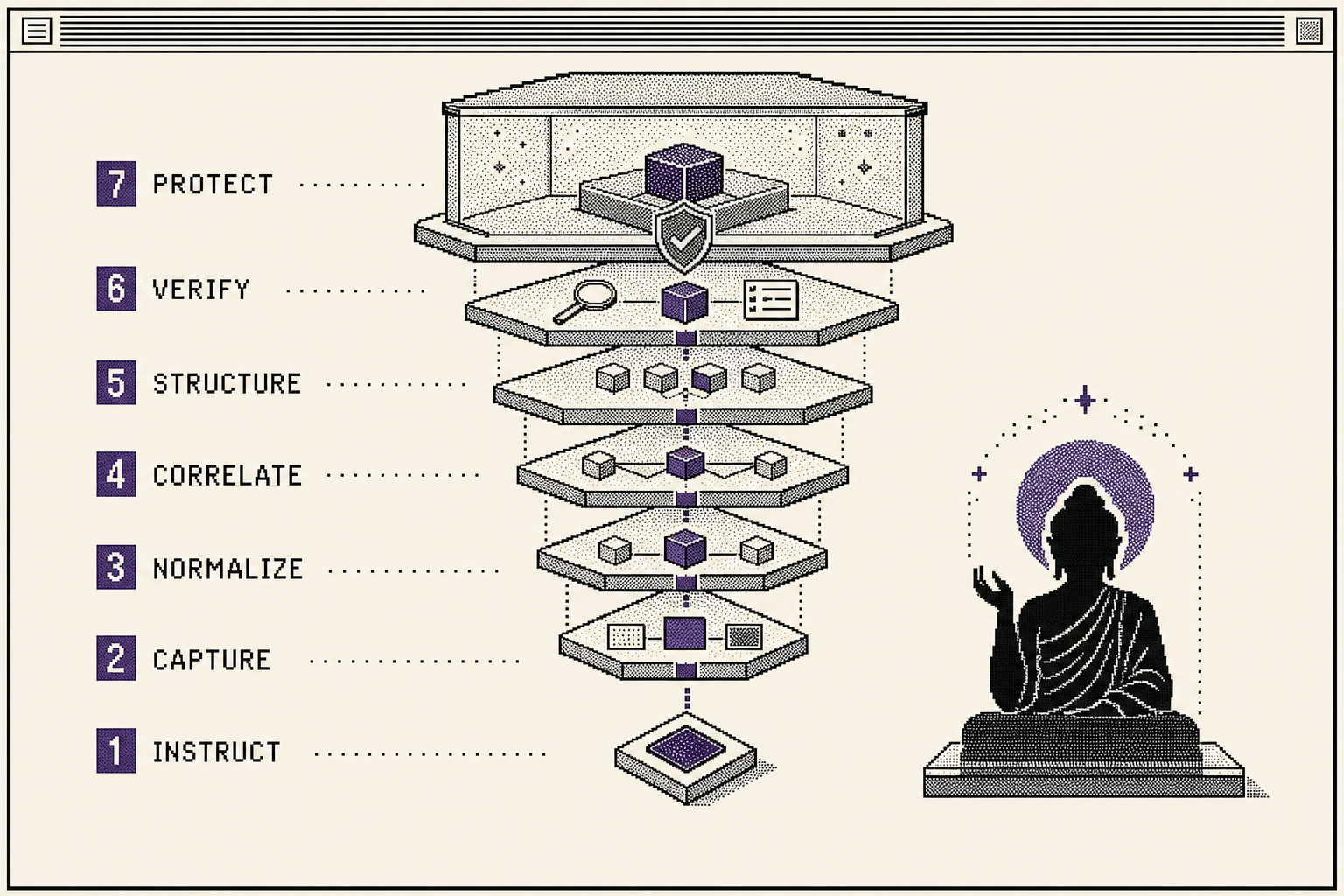
This is why the abstraction layer matters more than the model name. A model can propose an action. The system decides whether that action fits the outcome and constraints. A model can report success. Independent observation decides what happened.
What Is Your System Trusting By Default?
If your workflow trusts any model to define its own boundary and verify its own action, you do not have a protection system. You have a suggestion.
Ask three questions:
- What outcome must the system protect?
- Which actions need an independent boundary?
- What independent observation verifies the final state?
The useful lesson is not that one model anticipated another. It is that a system can learn from one failure class and hold the line when a later attempt arrives.
Build for the class. Keep the model replaceable. Trust the boundary only after independent observation says it held.
AI-assisted visuals and interactive prototyping, directed and reviewed by Ari.